01Origin and History
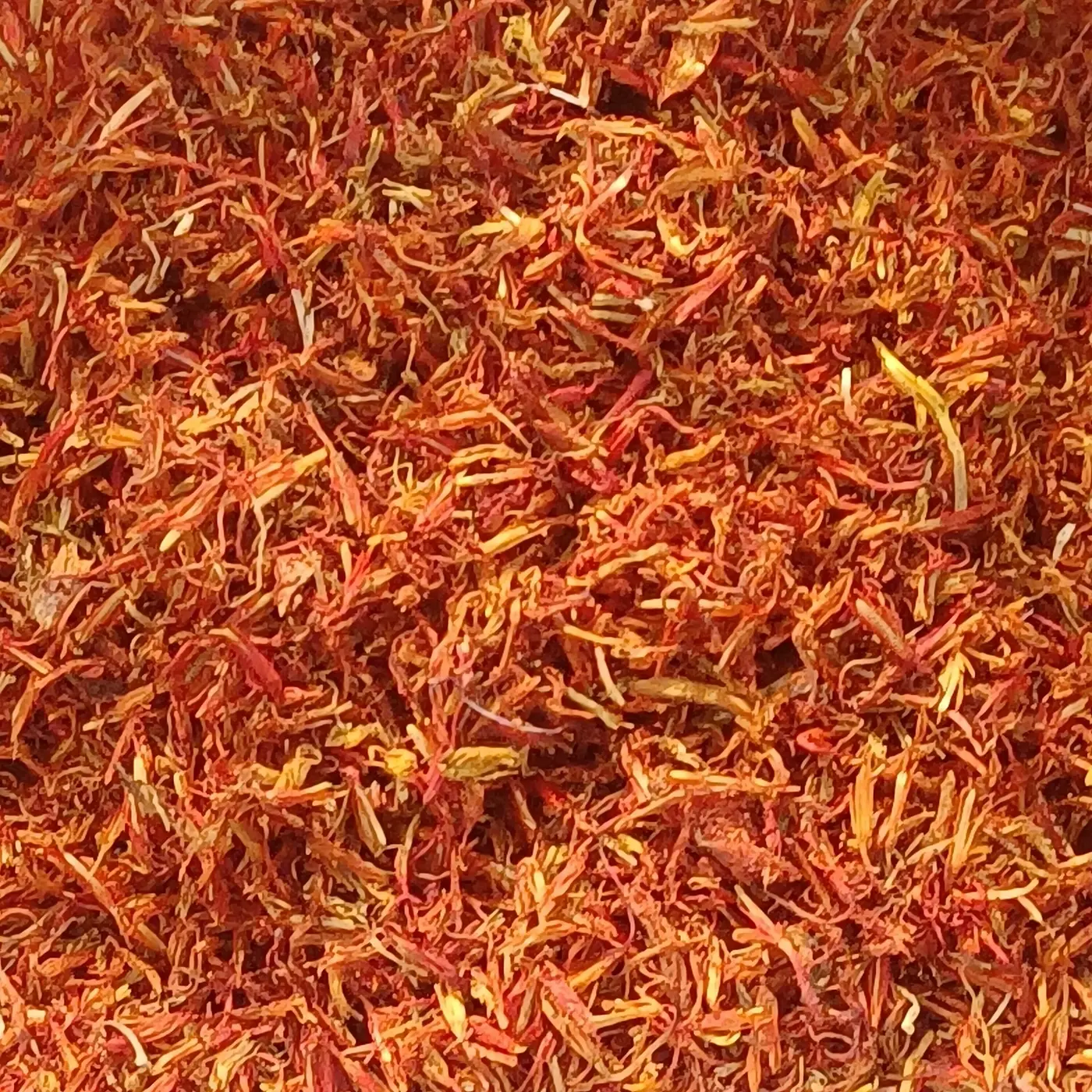
Saffron is obtained from the dried stigmas of Crocus sativus, a perennial flowering plant in the Iridaceae family. Its cultivation has been documented for more than 3,500 years and is widely believed to have originated in the region spanning modern-day Iran and the Eastern Mediterranean.
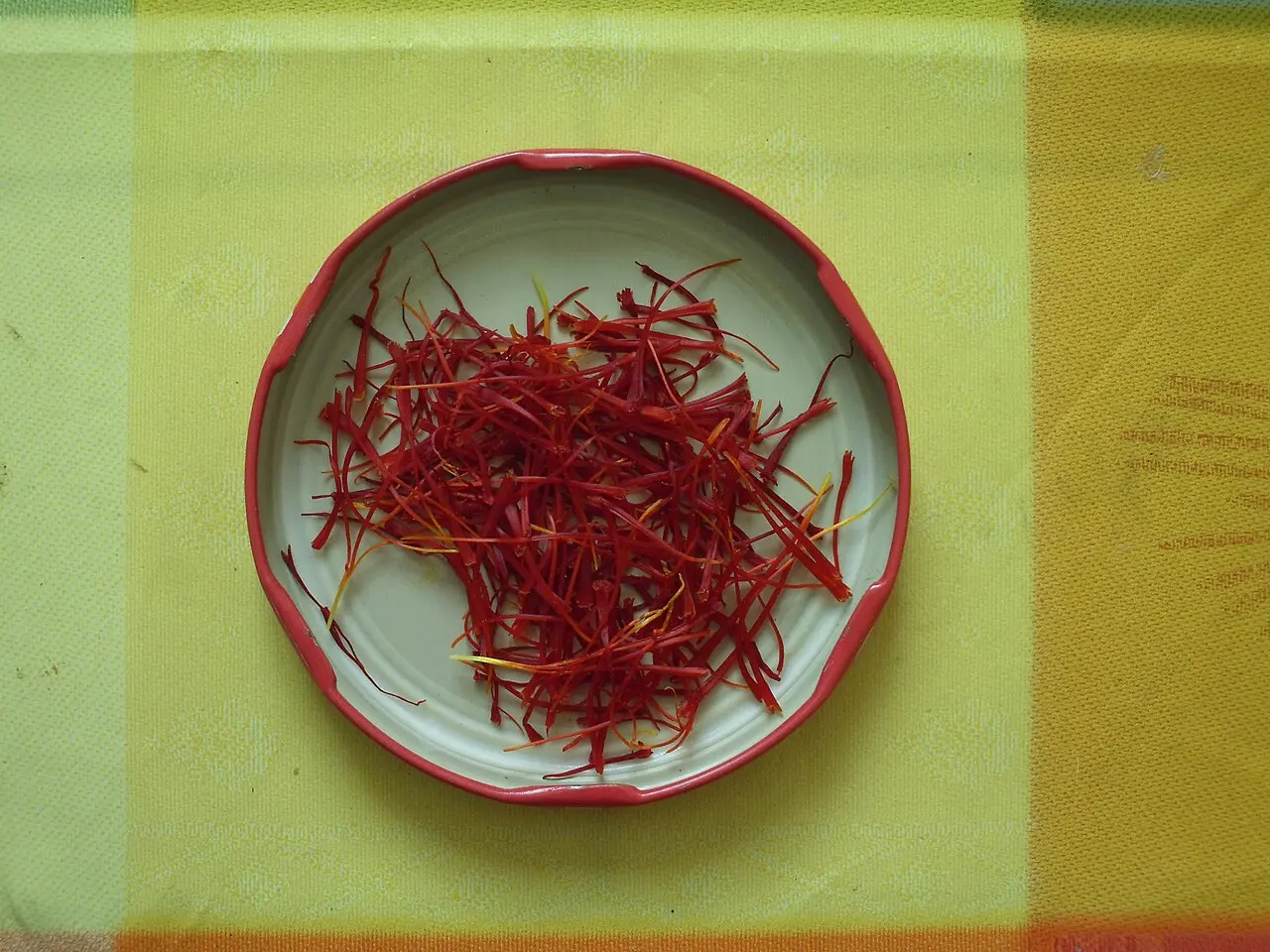
Historical records describe its use in ancient Persia, Greece, and Rome as a culinary ingredient, a natural textile dye, and a component of traditional preparations. Today, Iran, Spain, India (Kashmir region), Afghanistan, and Greece remain the world's leading producers, with Iran alone accounting for the majority of global output.
Did you know? Approximately 150,000 hand-picked flowers are needed to produce one kilogram of dried saffron stigmas. This labor-intensive harvesting process is the main reason the spice has historically been referred to as "red gold."
02Botanical Composition
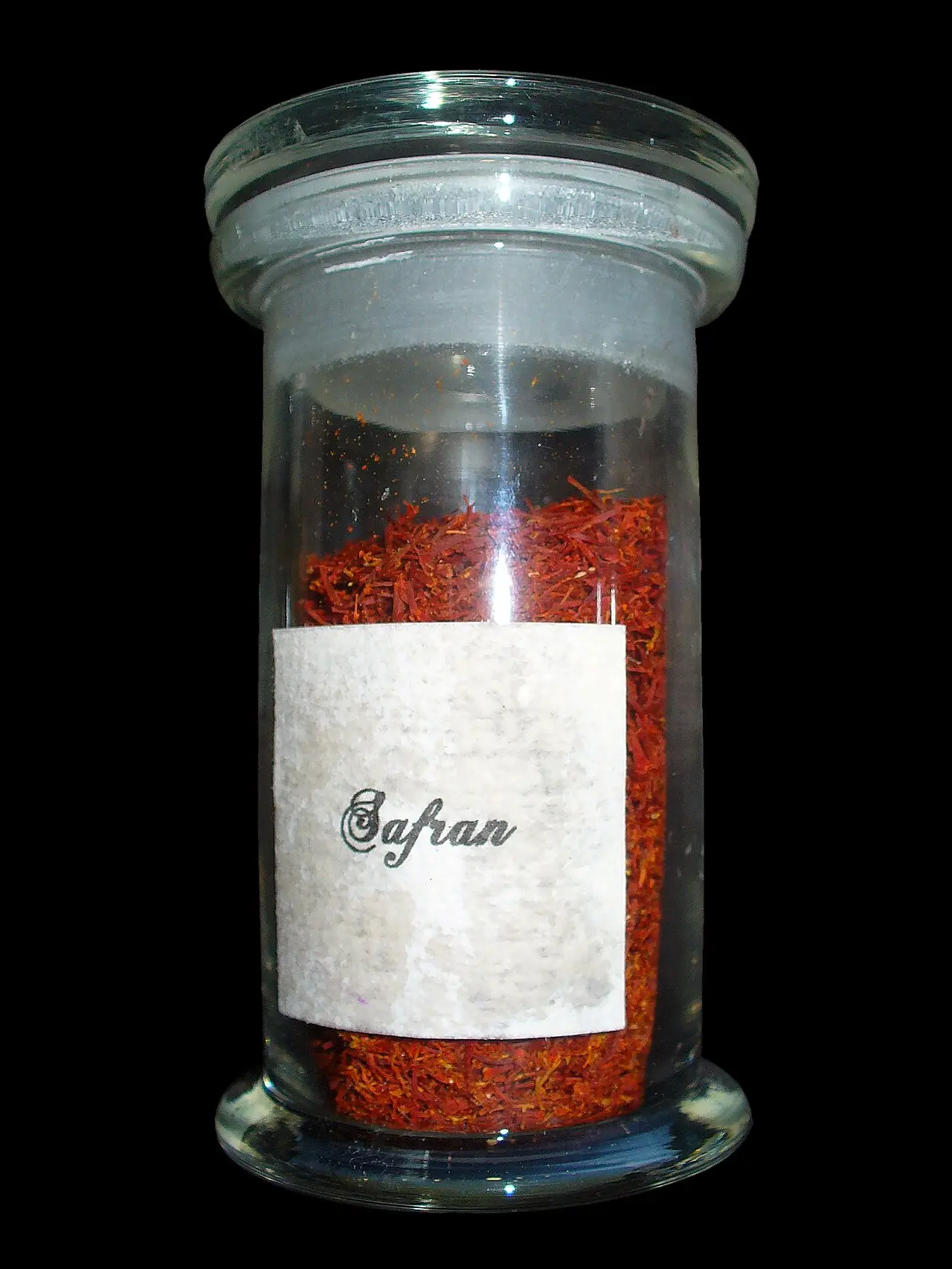
The color, aroma, and flavor of saffron are primarily attributable to three chemical compounds, all of which have been extensively characterized in food science and phytochemistry literature:
| Compound | Chemical Class | Sensory Contribution |
|---|---|---|
| Crocin | Carotenoid glycoside | Provides the characteristic golden-red color |
| Picrocrocin | Monoterpene glycoside | Responsible for the slightly bitter taste |
| Safranal | Volatile aldehyde | Main contributor to the distinctive aroma |
Saffron also contains small amounts of vitamins (notably riboflavin), minerals such as manganese and iron, and trace quantities of fiber. Because culinary uses involve very small quantities — typically a few threads per dish — the nutritional contribution per serving is minimal.
The international standard ISO 3632 classifies saffron into commercial categories based on the measured concentrations of crocin, picrocrocin, and safranal, which remain the reference parameters for quality grading worldwide.
03Myths vs. Reality
Over centuries of folklore and modern popularization, several claims about saffron have circulated in general media. The scientific literature offers a more measured, evidence-based view.
"Saffron's color transfers instantly when added directly to a hot dish."
Food science literature recommends steeping threads in warm liquid for 10 to 20 minutes beforehand. Water-soluble crocin requires time to fully dissolve and distribute evenly, which is why pre-infusion is standard in traditional culinary practice.
"All bright yellow spices are essentially saffron."
Turmeric, marigold petals, and safflower produce similar yellow tones but are botanically and chemically distinct. Adulteration of saffron with these cheaper substitutes is a documented concern in the food-authenticity literature.
"More saffron means a better result in any recipe."
Traditional culinary practice uses very small amounts (a few threads). Higher intakes have been associated with adverse effects in the pharmacological literature and are not recommended for everyday consumption.
"Supermarket saffron is identical to premium Category I saffron."
Saffron is graded by ISO 3632 based on measurable compound concentrations. Lower-grade or adulterated products can differ substantially in color, aroma, and chemical profile from premium grades.
04Traditional and Culinary Uses
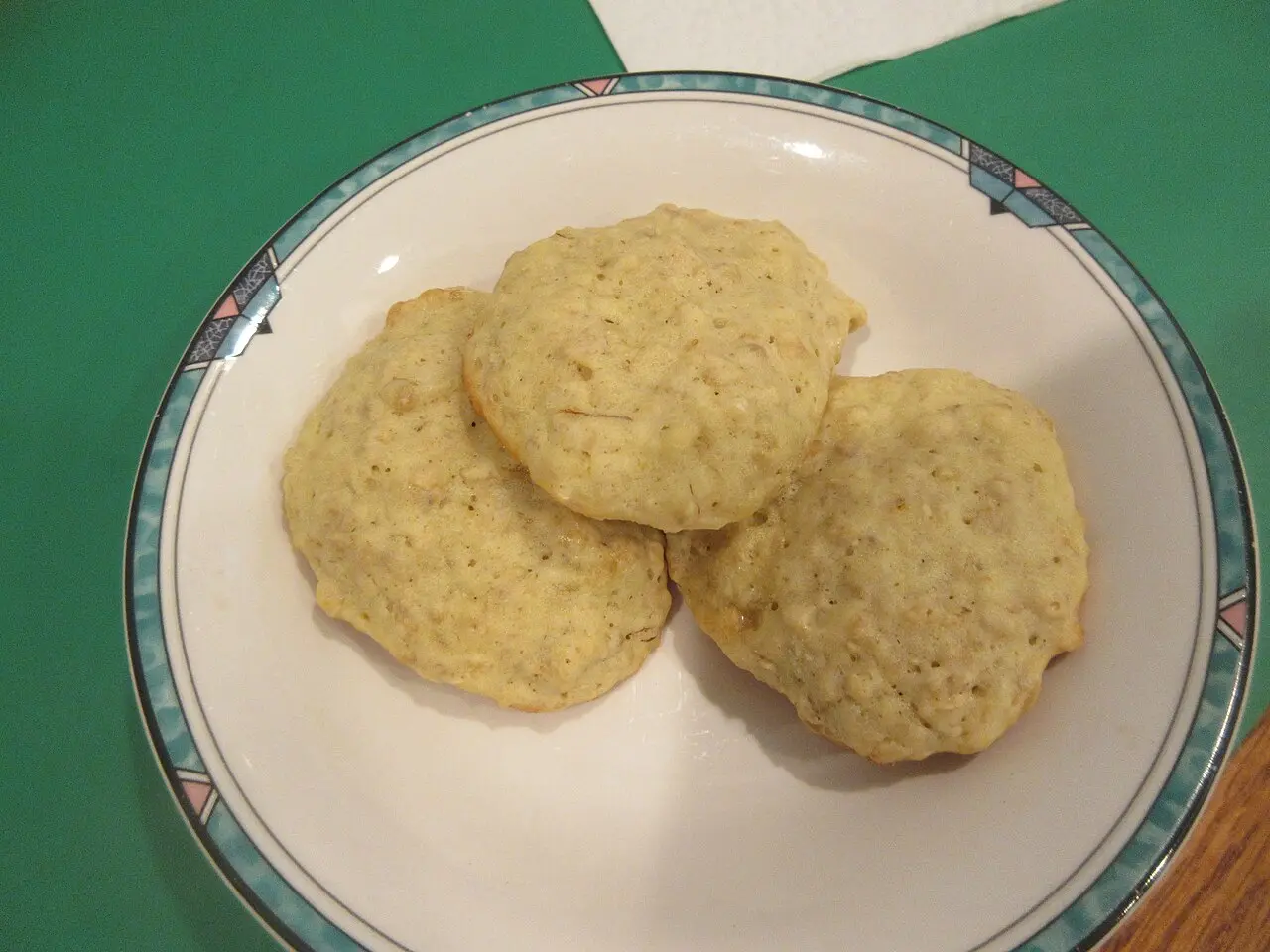
Culinary applications
Saffron is a defining ingredient in several classic dishes, each rooted in a specific regional cuisine:
- Paella (Spain) — saffron provides the dish's characteristic color and aroma.
- Risotto alla Milanese (Italy) — a traditional rice dish infused with saffron threads.
- Biryani (South Asia) — layered rice preparations often include saffron-infused milk.
- Bouillabaisse (France) — a Provençal fish stew traditionally seasoned with saffron.
- Kulfi and kheer (India, Middle East) — saffron features prominently in desserts and sweetened milk-based dishes.
How saffron is typically prepared
Saffron threads are usually steeped in warm water, milk, or broth for approximately 10 to 20 minutes before being added to a dish. This allows water-soluble crocin to dissolve and the volatile aroma compounds to diffuse evenly through the preparation.
Storage tip: Saffron threads should be stored in an airtight container, protected from light and heat. Ultraviolet light and oxygen gradually degrade the aromatic compounds that give saffron its signature profile.
05Scientific References
The information in this article draws on peer-reviewed publications and international reference works on food science, phytochemistry, and ethnobotany. Selected sources:
- Bagur, M. J., Alonso Salinas, G. L., Jiménez-Monreal, A. M., Chaouqi, S., Llorens, S., Martínez-Tomé, M., & Alonso, G. L. (2018). Saffron: An Old Medicinal Plant and a Potential Novel Functional Food. Molecules, 23(1), 30.
- Mzabri, I., Addi, M., & Berrichi, A. (2019). Traditional and Modern Uses of Saffron (Crocus sativus). Cosmetics, 6(4), 63.
- Melnyk, J. P., Wang, S., & Marcone, M. F. (2010). Chemical and biological properties of the world's most expensive spice: Saffron. Food Research International, 43(8), 1981–1989.
- Cardone, L., Castronuovo, D., Perniola, M., Cicco, N., & Candido, V. (2020). Saffron (Crocus sativus L.), the king of spices: An overview. Scientia Horticulturae, 272, 109560.
- International Organization for Standardization. ISO 3632-1:2011 — Saffron (Crocus sativus L.): Specification.
Disclaimer: This content is exclusively informational and educational. It does not replace professional medical or nutritional advice.